Emergency Room (24/7)
Our emergency room is open 24 hours a day, 365 days a year.
Walk-in patients are welcome. No appointment required.
We accept both walk-in patients and ambulance arrivals, based on medical urgency.
Call 119 (Ambulance)
For life-threatening emergencies
Come to the ER now (Walk-in)
If you can come by yourself
Emergency / After-hours entrance
Use this entrance when you arrive at the hospital
Payment required on the day. We accept cash and credit cards.
We do not bill insurance companies directly. If you have travel insurance, you must pay first and claim reimbursement yourself.
Not sure whether to call an ambulance in Osaka?
In Osaka, if you are unsure whether to call an ambulance, you can call the emergency medical consultation service.
#7119 (Emergency Medical Consultation)
Nurses will assess the situation and advise you on whether to call an ambulance or visit a hospital.
If #7119 does not connect
Call 06-6582-7119
(IP phones and some mobile lines may not connect to #7119)
Important
Consultation is free, but call charges apply.
If this seems life-threatening or time-critical,
call 119 immediately.
When to call 119
-
Chest pain / severe shortness of breath
Sudden chest pain, tightness, or difficulty breathing.
-
Signs of stroke
Face drooping, arm weakness, speech difficulty.
-
Severe bleeding / major injury
Heavy bleeding, serious trauma, or a major accident.
-
Loss of consciousness / seizure
Fainting, not responding, or convulsions.
-
Severe allergic reaction
Swelling, hives, or trouble breathing.
-
Severe abdominal pain / black or bloody stool
Severe stomach pain or blood in stool.
When to come to the ER (Walk-in)
-
High fever with severe symptoms
Especially with weakness, confusion, or severe pain.
-
Severe pain / dehydration
Severe pain, dizziness, or signs of dehydration.
-
Persistent vomiting
Unable to keep fluids down.
-
Worsening symptoms after clinic hours
Symptoms getting worse at night or on holidays.
-
Cannot wait until the next day
Injury or illness that needs urgent evaluation.
This list is for urgent warning signs, not a diagnosis.
How the ER works in Japan
- Triage-based: Patients are seen based on medical urgency, not arrival time.
- Waiting time may vary, even in emergencies.
- You may be referred to another hospital if specialized care is required.
- Some tests or medications may be limited during nighttime hours.
First visit: step by step
-
Step 1: Arrive & check in at the emergency / night reception desk
-
Step 2: Triage (we assess urgency first)
-
Step 3: Medical exam and tests (as needed)
-
Step 4: Treatment
-
Step 5: Payment & next steps
(discharge / follow-up / referral)
What to bring
-
Identification (required): Passport or photo ID
Identification is required for registration and treatment. If you do not have identification, care may be limited except in life-threatening situations. -
Health insurance: Health insurance card (if you have one)
-
Medications: Medication list / current medicines
-
Referral documents: Referral letter (if any)
-
Payment method: Cash or credit card
Language support
-
Interpretation services
Interpretation support is available (remote / device-based)
-
Preferred language
Please tell staff your preferred language at check-in
-
Emergency care
Emergency care will be provided even if interpretation is not immediately available
Payment (Emergency Care)
-
Payment timing: Depends on the treatment and time of visit
-
Accepted methods: Cash and credit cards
-
Travel insurance: Payment is usually made by the patient first, then claimed later
Access & Night / Emergency Entrance
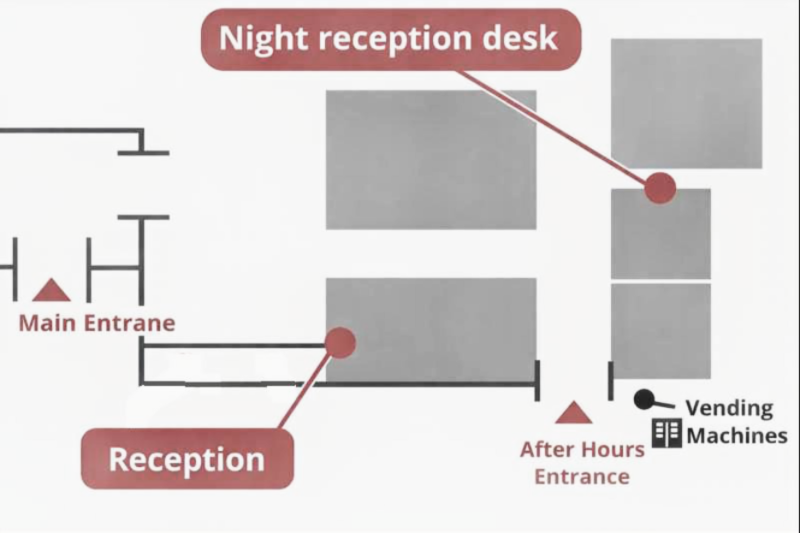
After-hours access
If you arrive at night, on Sundays, or on public holidays,
please use the After Hours Entrance.
- Daytime: Use the Main Entrance
- After hours: After Hours Entrance
- Check in at the Night Reception Desk
- Emergency drop-off and parking are available if needed
This page provides general information and may change depending on ER conditions.
If this is a life-threatening emergency, call 119 immediately.