
Advanced cardiovascular surgery in Japan — fast access, no waiting list, and 24/7 emergency care.
2023–2024 Procedural Volume
- 734 total cardiovascular surgeries
- 310 open-heart surgeries
- 94 isolated CABG — off-pump rate 83%
- 40 robotic MICS (fully endoscopic)
- 65 acute aortic dissections (Stanford type A, all emergency cases)
- 97 endovascular aortic procedures (TEVAR + EVAR)
What this means for you
- No waiting list — treatment can begin within one week
- Integrated care by a single team across surgical and catheter-based treatment
- 24/7 emergency response for acute cardiovascular conditions
- Treatment plans are clarified at an early stage
- Second opinions are available for complex cases
About Us
We provide surgical care across the full spectrum of cardiovascular disease — from coronary artery disease and valvular heart disease to aortic conditions requiring emergency intervention.
Our team performs open-heart surgery, endovascular aortic repair (TEVAR / EVAR), and robotic minimally invasive cardiac surgery (MICS).
When both catheter-based and surgical options are appropriate, treatment planning is discussed with the patient based on clinical findings, risk, and individual preference.
Cardiovascular surgery is available 24/7, with a firm policy of not turning patients away.
Clinical Leadership
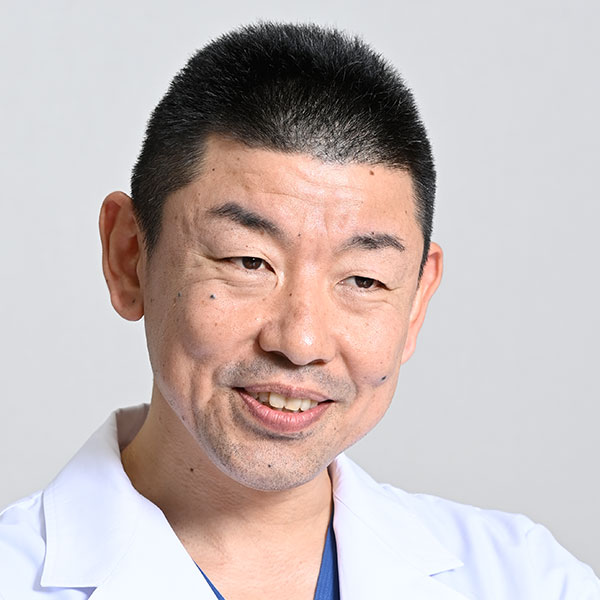
Satoshi Kuroyanagi, M.D., Ph.D.
President & Senior Cardiovascular Surgeon
Kishiwada Tokushukai Hospital
Cardiovascular care at this hospital is led by Dr. Kuroyanagi, who serves as both President and senior cardiovascular surgeon.
He oversees clinical decision-making from initial evaluation through treatment and follow-up, ensuring clear medical responsibility throughout care.
Services
Advanced Procedures
When to Visit / When to Call ER
Visit this department if:
- You have been advised that you may need treatment for a heart or vascular condition
- You have ongoing chest discomfort, shortness of breath with exertion, or leg pain when walking
- You were referred for further evaluation, catheter-based treatment, or surgery
- You would like a second opinion about cardiovascular treatment
- You are considering treatment options in Japan due to limited access to timely care in your home country
Call ER immediately if:
- Sudden or severe chest pain or pressure
- Severe shortness of breath at rest
- Fainting, loss of consciousness, or severe weakness
- Sudden severe back pain (possible aortic emergency)
- Sudden coldness, numbness, or severe pain in an arm or leg
Emergency Room open 24/7. Walk-in patients are accepted for emergency care.
Treatment Flow
-
1
Initial consultation and evaluation
We review your medical history, referral information, and imaging studies. Additional tests are arranged as needed. For overseas patients, pre-treatment assessment may be arranged in advance when appropriate.
-
2
Team-based treatment planning
Both catheter-based and surgical options are considered from the first evaluation. We recommend the most appropriate treatment based on the patient’s condition, risk, and overall clinical needs.
-
3
Treatment and hospitalisation
Once the treatment plan is agreed, the procedure is scheduled according to clinical urgency and readiness. Depending on the condition, this may include endovascular procedures, open surgery, or a combination of both.
-
4
Post-treatment care and follow-up
We provide post-treatment care and explain follow-up plans, including options for continued care after returning home. Medical records and related documents can be prepared as needed to support ongoing care.
Contact
Contact us from overseas
Start with a brief message to our International Medical Support Department.
Please include your diagnosis, current condition, and the type of consultation or treatment you are seeking.
We will review your case and guide you through
the next steps.